Rigger vs
Dom
A rigger may be dominant, but rope skill and power exchange are different things.
“The one responsible for the tie, the tension, and the release.”
A rigger is someone who ties another person, usually with rope, and takes responsibility for technical safety, communication, circulation, nerves, positioning, and emotional tone inside rope play.
- Rope-specific skill
- Technical and attentive
- Can be dominant, neutral, or service-led
- Responsible for release
“The one who holds direction, permission, or authority by agreement.”
A Dom is a person who takes a leading role in a consensual power-exchange dynamic. Their focus is authority, structure, decisions, and the emotional responsibility of holding the frame.
- Authority-focused
- May or may not use rope
- Can be scene-based or ongoing
- Built on negotiated power
“The one responsible for the tie, the tension, and the release.”
A rigger is someone who ties another person, usually with rope, and takes responsibility for technical safety, communication, circulation, nerves, positioning, and emotional tone inside rope play.
- Rope-specific skill
- Technical and attentive
- Can be dominant, neutral, or service-led
- Responsible for release
“The one who holds direction, permission, or authority by agreement.”
A Dom is a person who takes a leading role in a consensual power-exchange dynamic. Their focus is authority, structure, decisions, and the emotional responsibility of holding the frame.
- Authority-focused
- May or may not use rope
- Can be scene-based or ongoing
- Built on negotiated power
Six dimensions, side by side.
Hands that lead, hands that tie.
Riggers and Doms overlap when rope becomes a language of authority. A tie can say stay, breathe, offer, trust, wait. A Dom who rigs may use rope to make power visible in the body.
But the roles separate cleanly. A rigger can tie with no command dynamic at all. A Dom can guide an entire scene without touching rope. In negotiation, the useful question is not only who is tying, but what the tying means.
If you're not sure, that's a useful answer.
- 01Does the rope itself fascinate you, or the authority expressed through it?
- 02Would you enjoy tying someone without a command dynamic?
- 03Do you want technical trust, erotic authority, or both in the same hands?
If you're not sure, that's a useful answer.
If the distinction matters to you, listen for motive. Are you drawn to the craft of rope, the feeling of being led, or both? The free quiz at bdsmtest.co can help separate skill-based curiosity from power-exchange desire.
- 01Does the rope itself fascinate you, or the authority expressed through it?
- 02Would you enjoy tying someone without a command dynamic?
- 03Do you want technical trust, erotic authority, or both in the same hands?
Same terrain, our language.
Our quiz maps you to one of ten archetypes. Here's where these roles sit in that system.
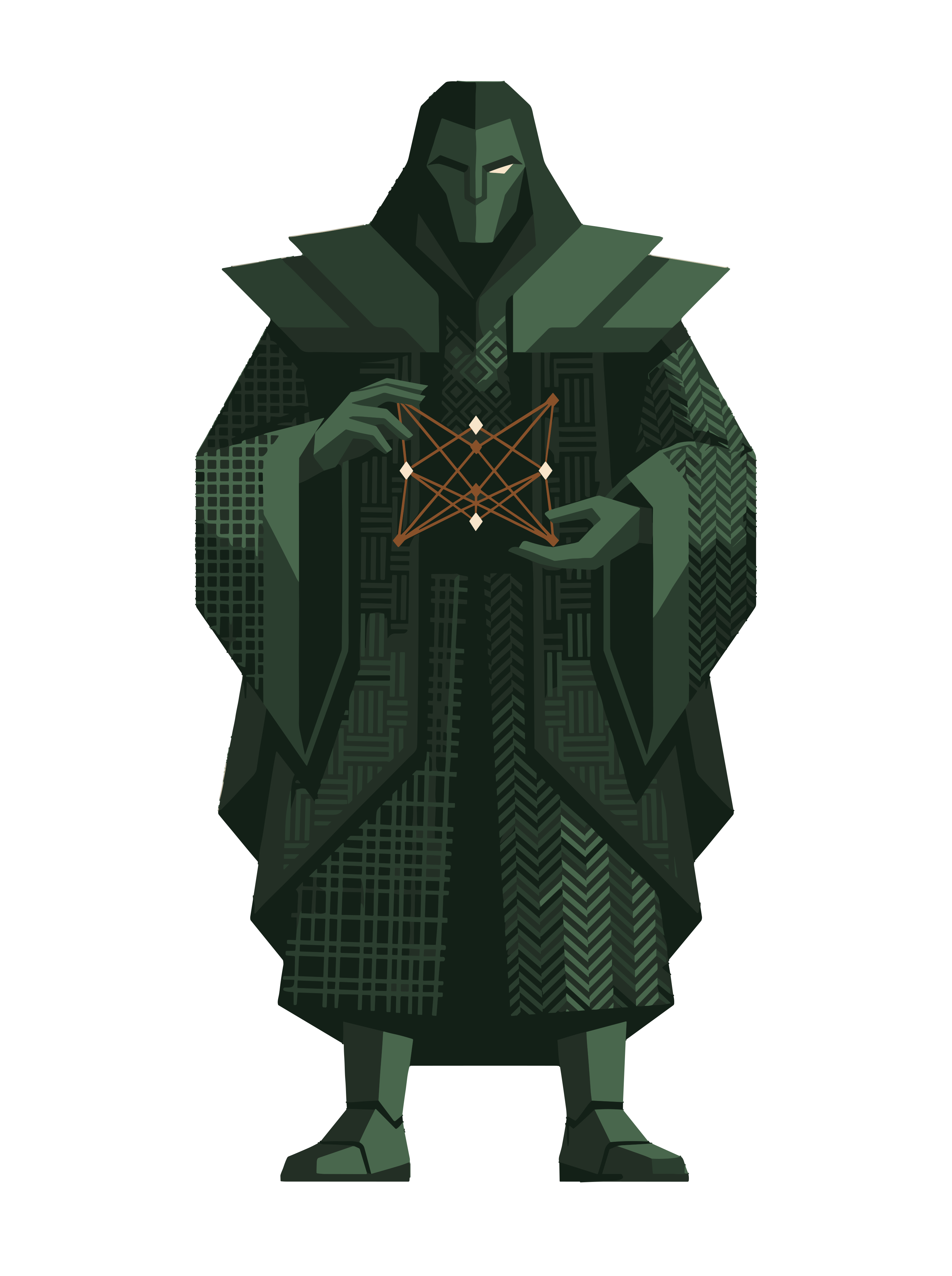
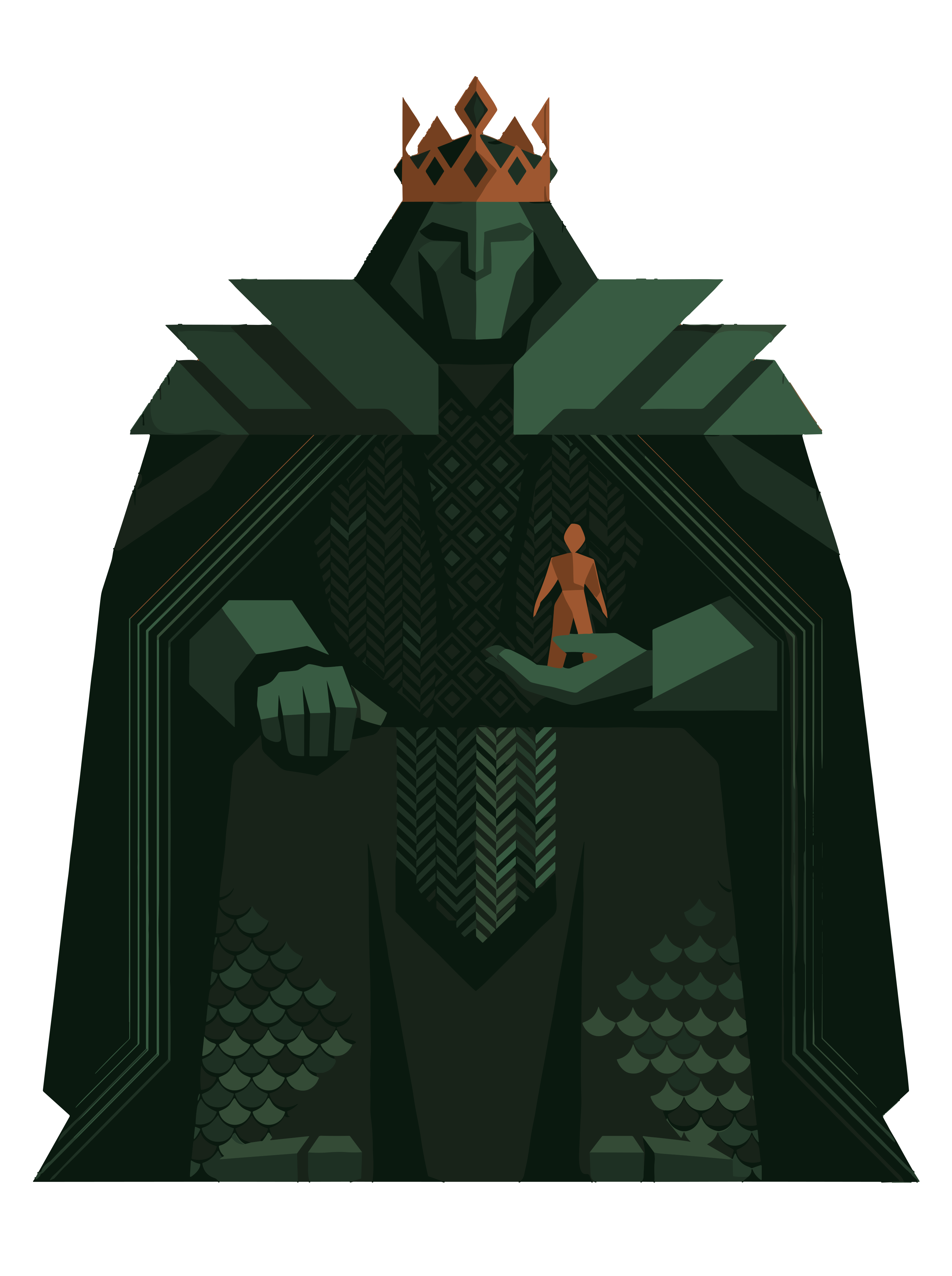
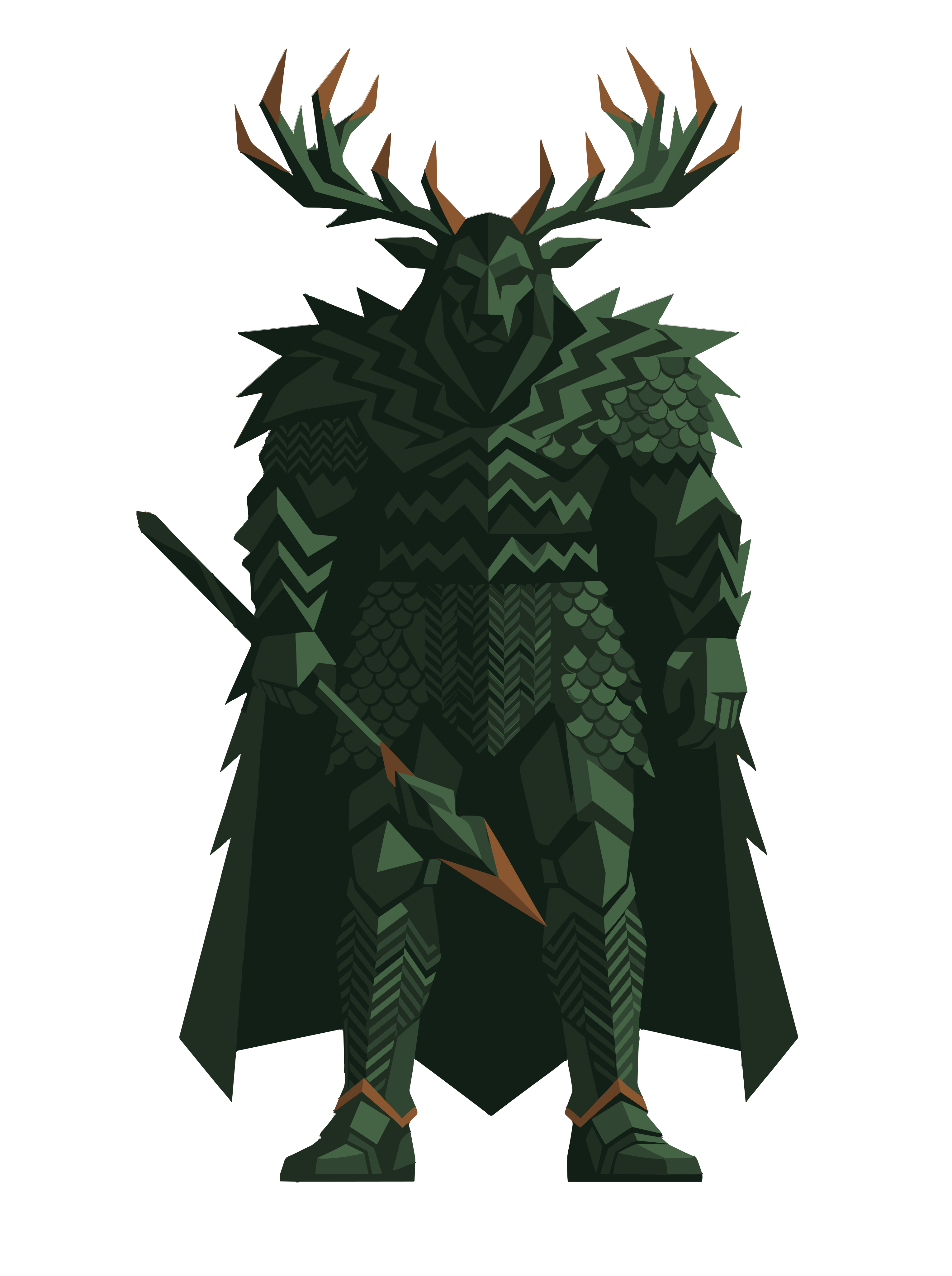
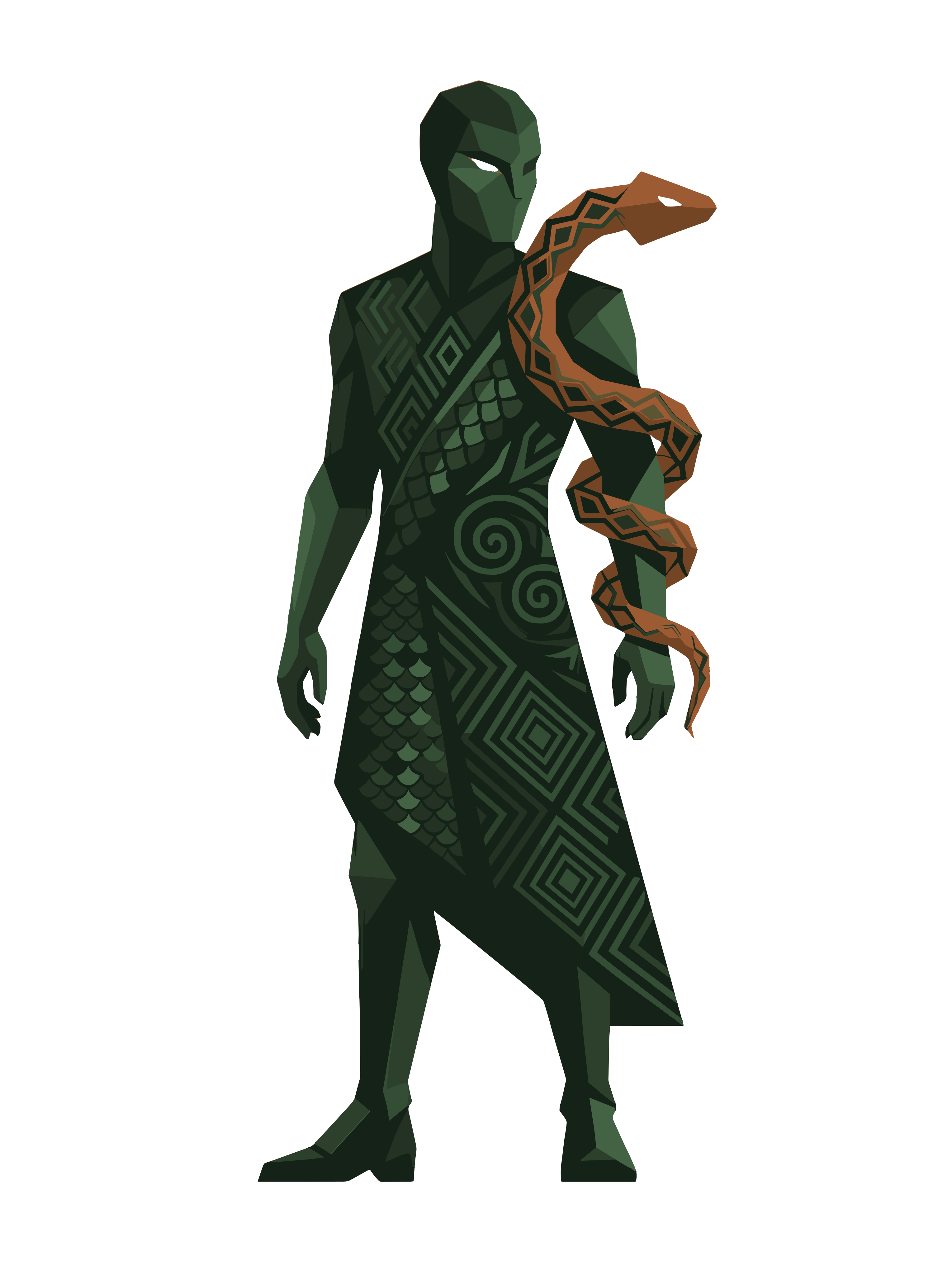
Not sure which one fits? The quiz takes seven minutes and tells you.
Discover your archetype →Other pairings.
A reading will tell you.
Twenty-four scenarios, seven minutes, one long letter to yourself. Anonymous. Free.
Begin the reading →A reading will tell you.
Twenty-four scenarios, seven minutes, one long letter to yourself. Anonymous. Free.