Brat vs
Submissive
One is a style of expression. The other is the larger role that can contain many styles.
“The one who pushes back, teases, and tests — not to escape the dynamic, but to animate it.”
A Brat usually refers to a submissive-leaning person who uses playful resistance, teasing, mischief, or provocation as part of the dynamic. The energy is often relational and interactive, not simply disobedient for its own sake.
- Playful resistance
- Provocation as connection
- Often enjoys tension and chase
- Usually still inside negotiated submission
“The one who yields, offers, or follows in ways that fit the structure of the bond.”
Submissive is the broader umbrella term for someone who consensually yields authority within a dynamic. It can describe many styles, including quiet surrender, service, devotional submission, playful compliance, or bratty interaction depending on the relationship.
- Umbrella role
- Can be soft, service-oriented, playful, or formal
- Defined by willing submission
- Not limited to one tone or style
“The one who pushes back, teases, and tests — not to escape the dynamic, but to animate it.”
A Brat usually refers to a submissive-leaning person who uses playful resistance, teasing, mischief, or provocation as part of the dynamic. The energy is often relational and interactive, not simply disobedient for its own sake.
- Playful resistance
- Provocation as connection
- Often enjoys tension and chase
- Usually still inside negotiated submission
“The one who yields, offers, or follows in ways that fit the structure of the bond.”
Submissive is the broader umbrella term for someone who consensually yields authority within a dynamic. It can describe many styles, including quiet surrender, service, devotional submission, playful compliance, or bratty interaction depending on the relationship.
- Umbrella role
- Can be soft, service-oriented, playful, or formal
- Defined by willing submission
- Not limited to one tone or style
Six dimensions, side by side.
A dialect, not a different language.
Both words live on the submissive side of a dynamic. A brat may still want to yield, still want the other person to lead, still want correction, containment, attention, or structure. The difference is that the path to that surrender may be more playful and friction-filled than straightforward compliance.
That is why the best question is not whether a brat is "really submissive." It is whether the resistance is happening inside the dynamic or against the dynamic. When the teasing is consensual, legible, and welcome, it often acts as a form of participation.
If you're not sure, that's a useful answer.
- 01When you resist, are you inviting more dynamic engagement, or trying to avoid the dynamic altogether?
- 02Does teasing make you feel more connected to surrender, or does it mostly reflect discomfort with being led?
- 03If the playful friction disappeared, would the underlying desire to submit still remain?
If you're not sure, that's a useful answer.
If you are trying to choose between these terms, begin with the emotional function of the behavior rather than the visible behavior alone.
- 01When you resist, are you inviting more dynamic engagement, or trying to avoid the dynamic altogether?
- 02Does teasing make you feel more connected to surrender, or does it mostly reflect discomfort with being led?
- 03If the playful friction disappeared, would the underlying desire to submit still remain?
Same terrain, our language.
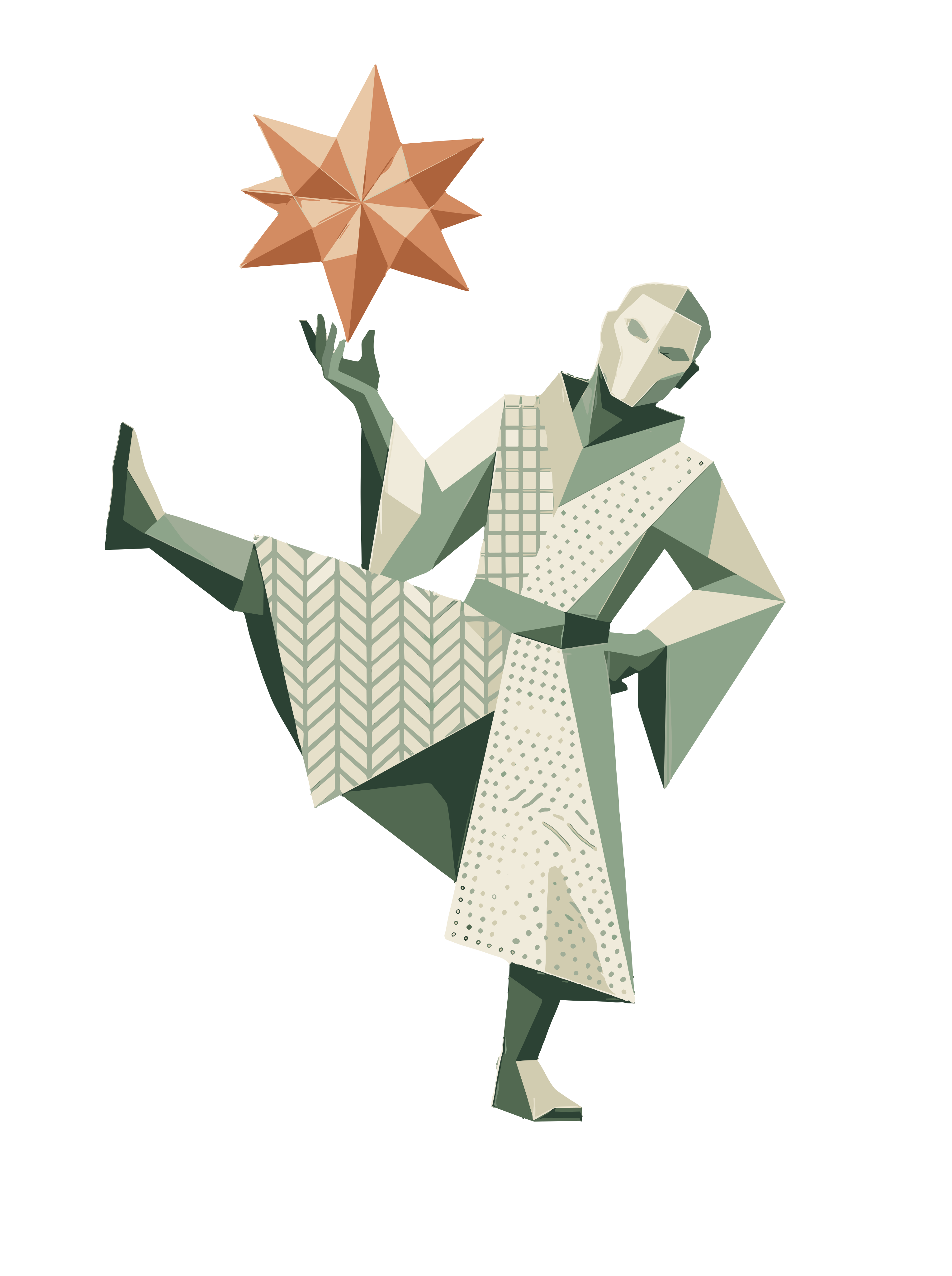
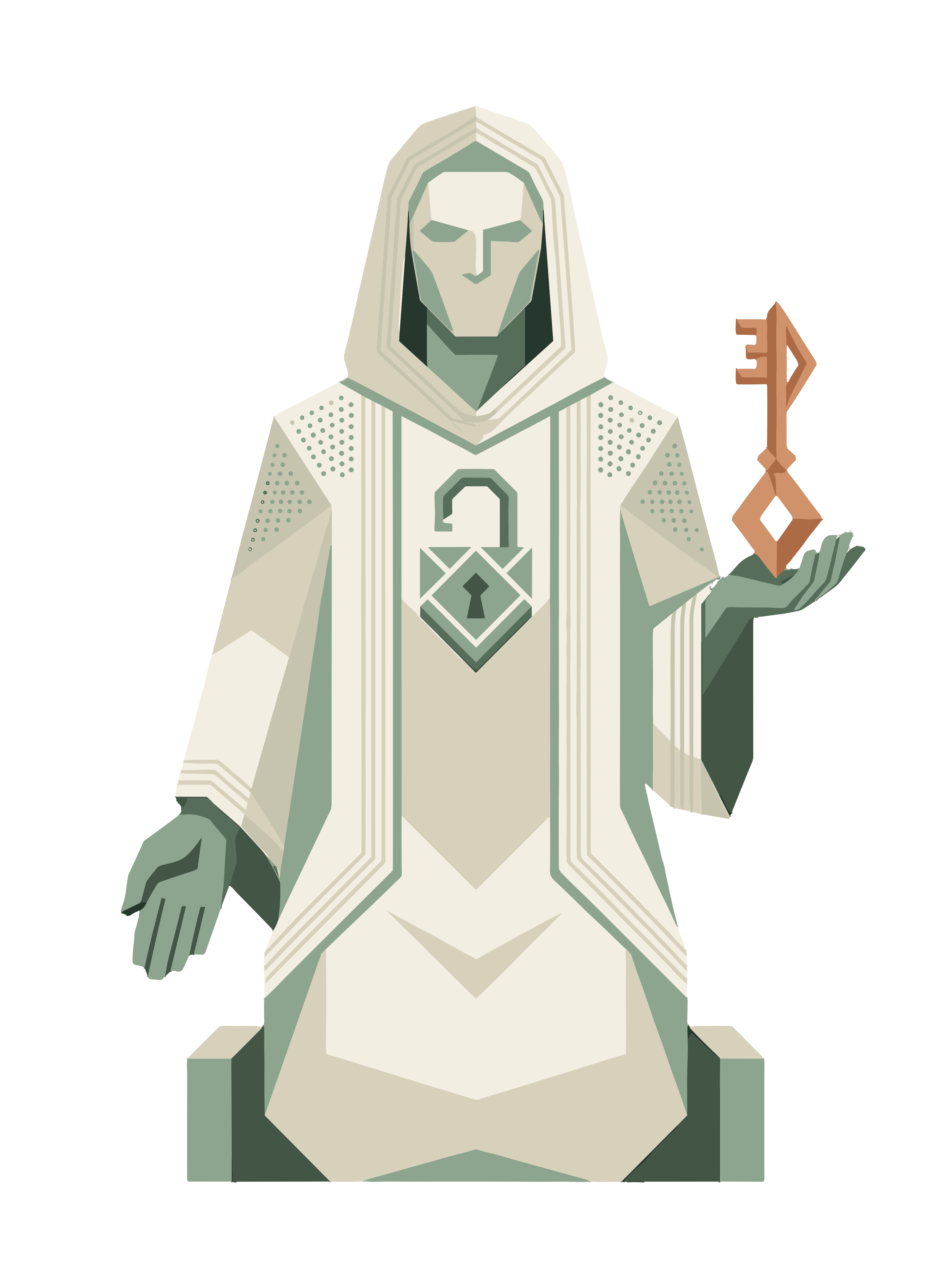
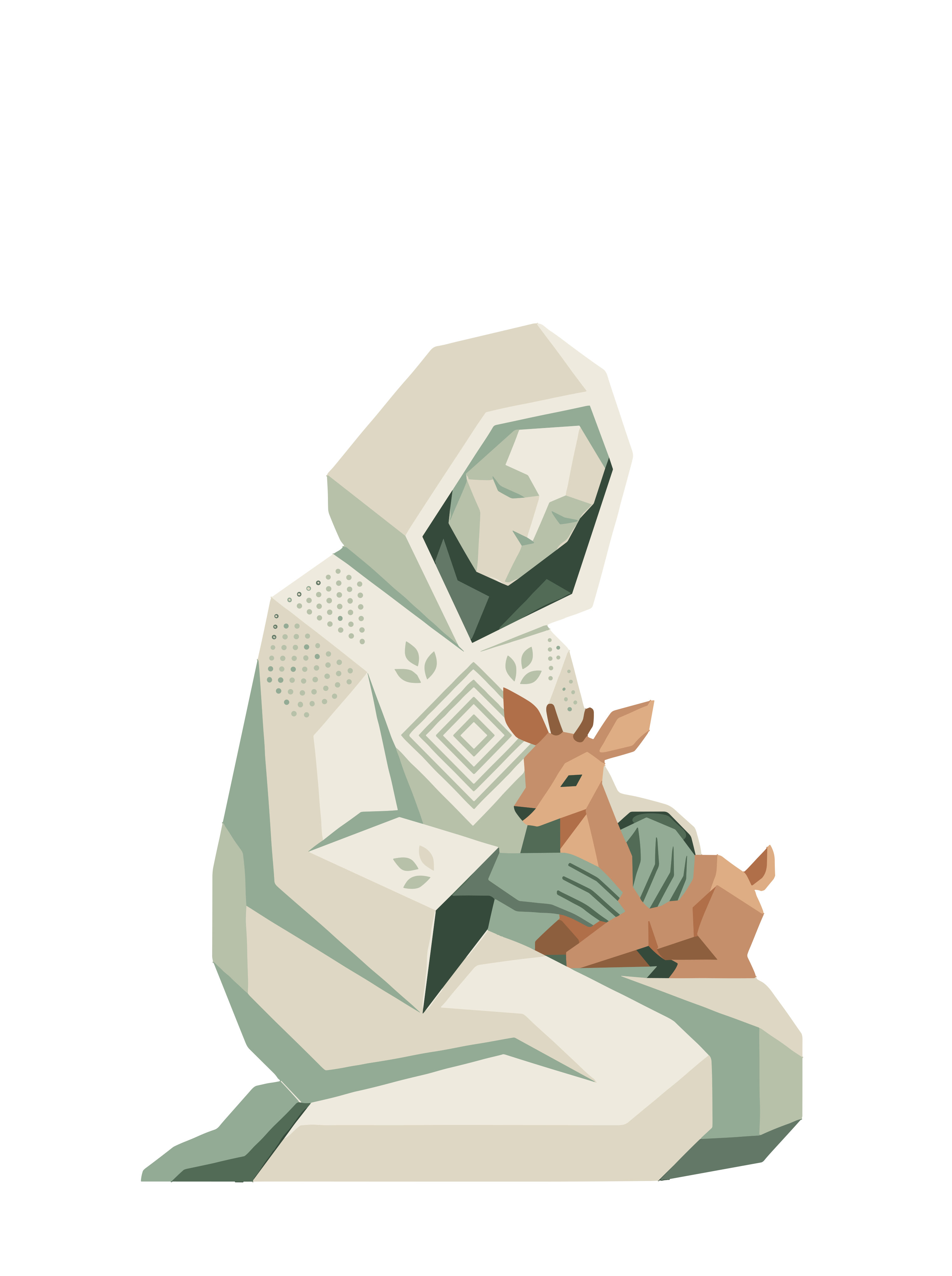
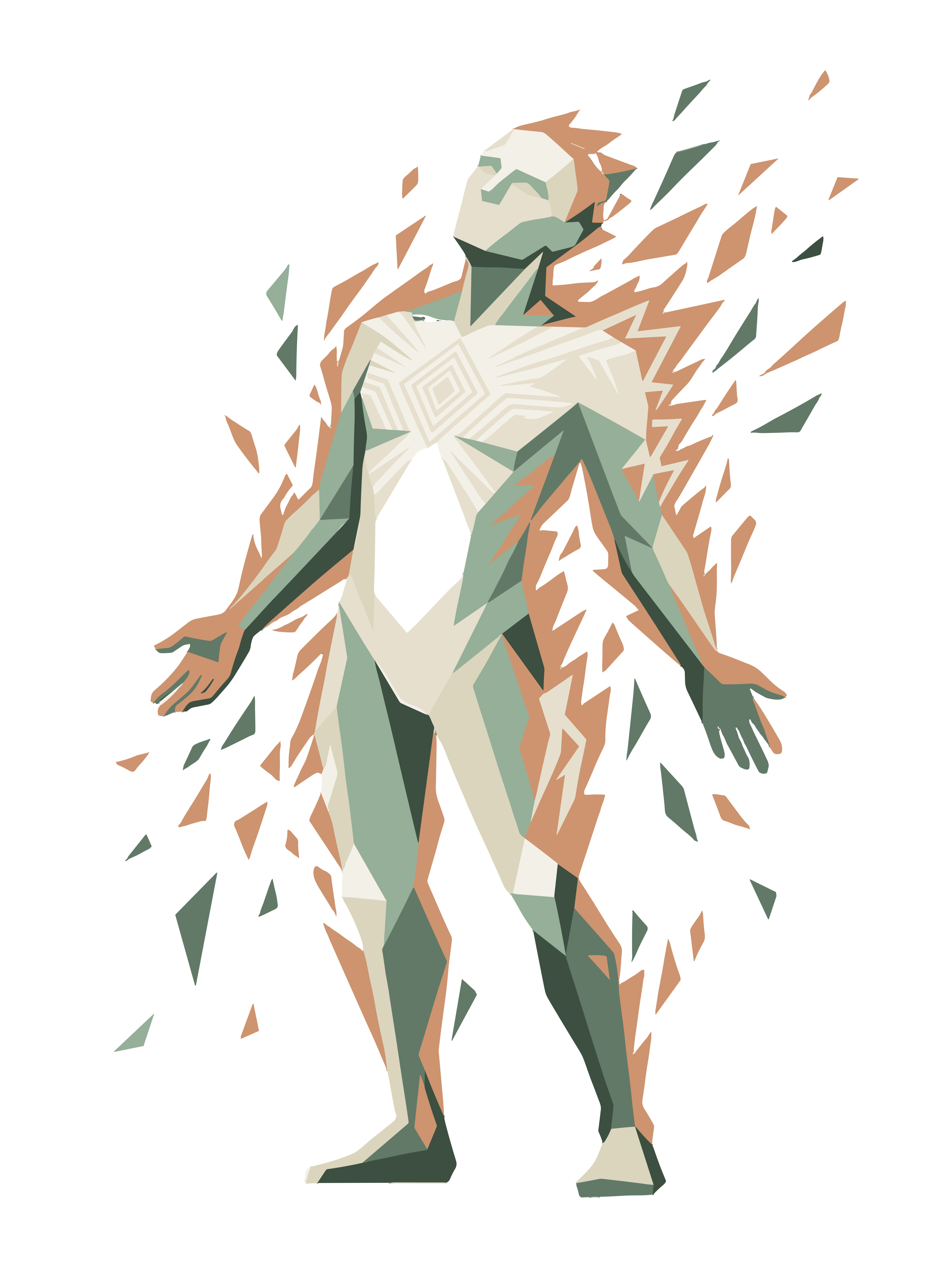
Our quiz maps you to one of ten archetypes. Here's where these roles sit in that system.
Not sure which one fits? The quiz takes seven minutes and tells you.
Discover your archetype →Other pairings.
A reading will tell you.
Twenty-four scenarios, seven minutes, one long letter to yourself. Anonymous. Free.
Begin the reading →A reading will tell you.
Twenty-four scenarios, seven minutes, one long letter to yourself. Anonymous. Free.