Top vs
Dom
Often confused, these roles describe different facets of BDSM engagement.
“The one who performs the physical actions or provides sensation in a scene.”
A Top is typically defined by their role in performing actions during BDSM play, focusing on the physical aspect of giving pleasure or sensation to their partner. This role is often context-specific and can be independent of a broader power dynamic.
- Action-focused
- Scene-specific
- Physical role
- Can be independent of D/s dynamic
“The one who guides power, pacing, or authority within an agreed frame.”
A Dom (short for Dominant) is someone who takes the leading role in a consensual BDSM or power-exchange dynamic, holding authority and making decisions. This role often involves a broader dynamic that extends beyond individual scenes.
- Authority-focused
- Dynamic-spanning
- Decision-making role
- Involves power exchange
“The one who performs the physical actions or provides sensation in a scene.”
A Top is typically defined by their role in performing actions during BDSM play, focusing on the physical aspect of giving pleasure or sensation to their partner. This role is often context-specific and can be independent of a broader power dynamic.
- Action-focused
- Scene-specific
- Physical role
- Can be independent of D/s dynamic
“The one who guides power, pacing, or authority within an agreed frame.”
A Dom (short for Dominant) is someone who takes the leading role in a consensual BDSM or power-exchange dynamic, holding authority and making decisions. This role often involves a broader dynamic that extends beyond individual scenes.
- Authority-focused
- Dynamic-spanning
- Decision-making role
- Involves power exchange
Six dimensions, side by side.
Action and authority, often in the same hands.
Despite their distinct definitions, the roles of Top and Dom can and often do overlap. Many Doms are also Tops, and many Tops exhibit dominant qualities. The common ground between them lies in the exercise of control, agency, and the responsibility that comes with leading an interaction.
Both roles require a deep understanding of consent, boundaries, and aftercare. Whether one is topping or dominating, the safety, comfort, and well-being of the partner are paramount. The distinction often blurs when a Dom chooses to actively engage in physical acts, thereby also becoming a Top in that moment.
If you're not sure, that's a useful answer.
- 01Do you find more fulfillment in performing specific physical actions and delivering sensations, or in establishing and maintaining an overarching framework of control?
- 02Is your primary interest in the intensity and flow of individual scenes, or in the long-term development and structure of a power exchange relationship?
- 03Are you drawn to the immediate impact of your actions, or to the sustained responsibility of guiding and shaping another’s experience within a dynamic?
If you're not sure, that's a useful answer.
If you find yourself pondering whether you lean more towards being a Top or a Dom, consider the core motivations and satisfactions you seek within a dynamic.
- 01Do you find more fulfillment in performing specific physical actions and delivering sensations, or in establishing and maintaining an overarching framework of control?
- 02Is your primary interest in the intensity and flow of individual scenes, or in the long-term development and structure of a power exchange relationship?
- 03Are you drawn to the immediate impact of your actions, or to the sustained responsibility of guiding and shaping another’s experience within a dynamic?
Same terrain, our language.
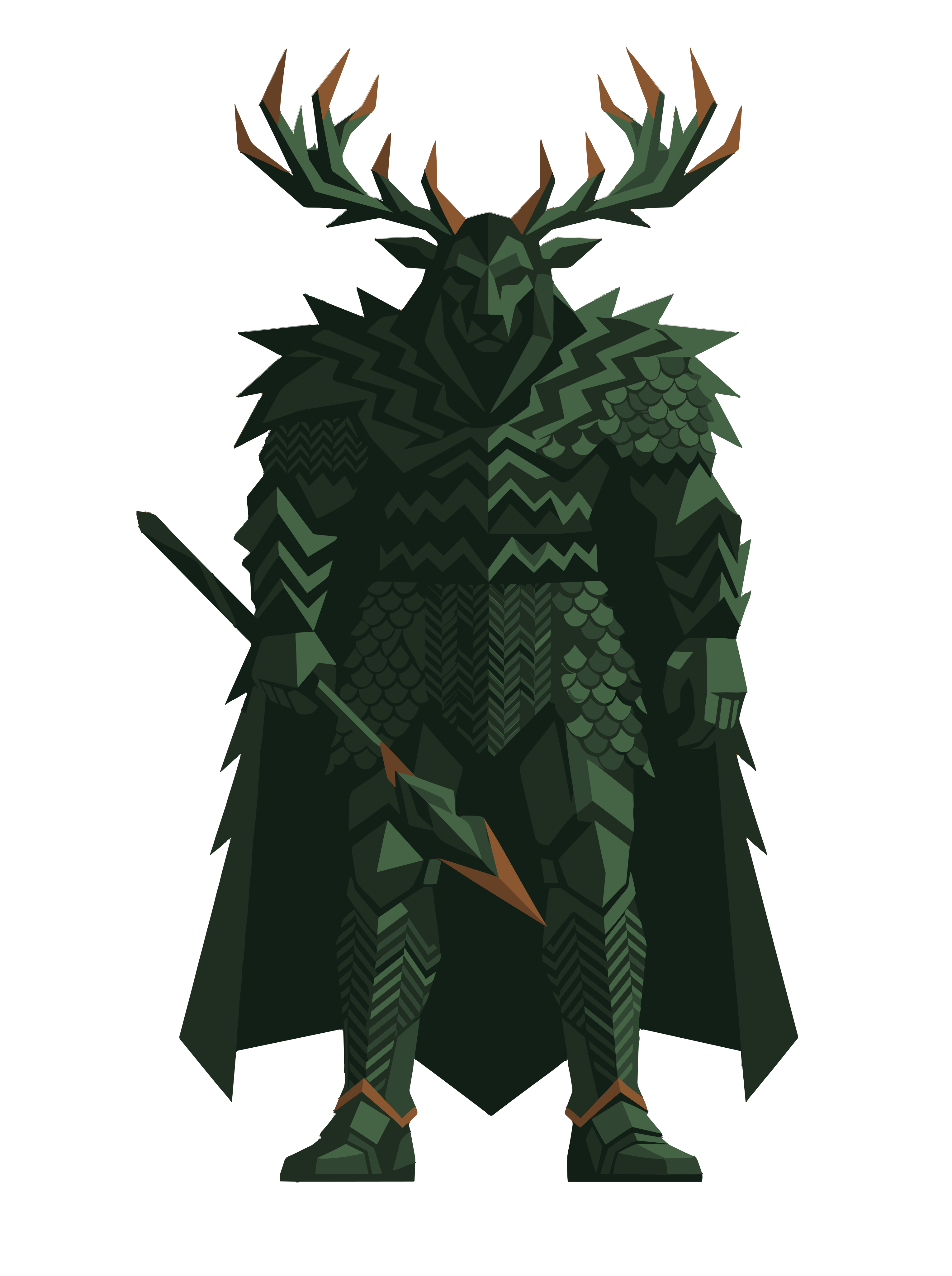
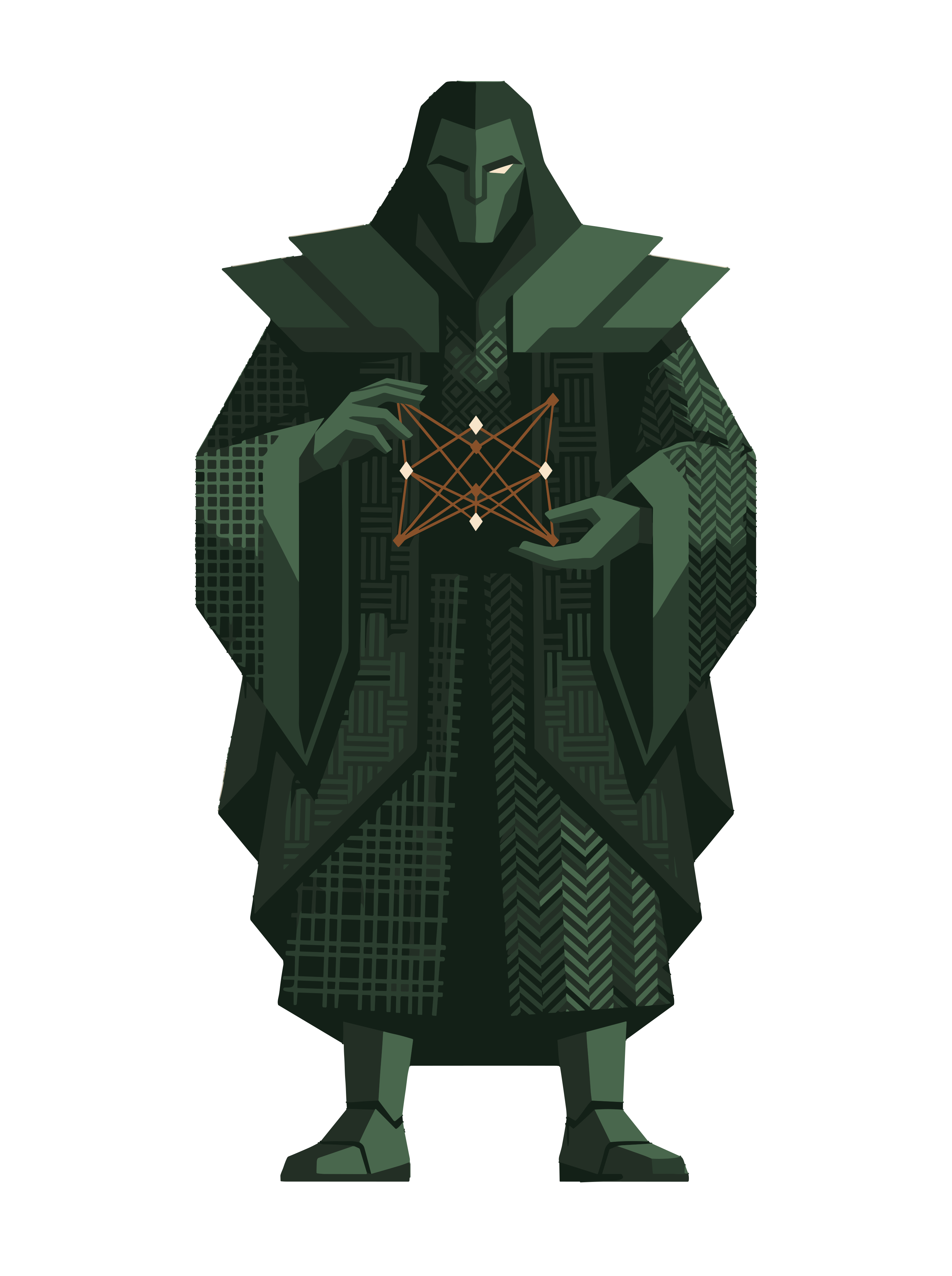
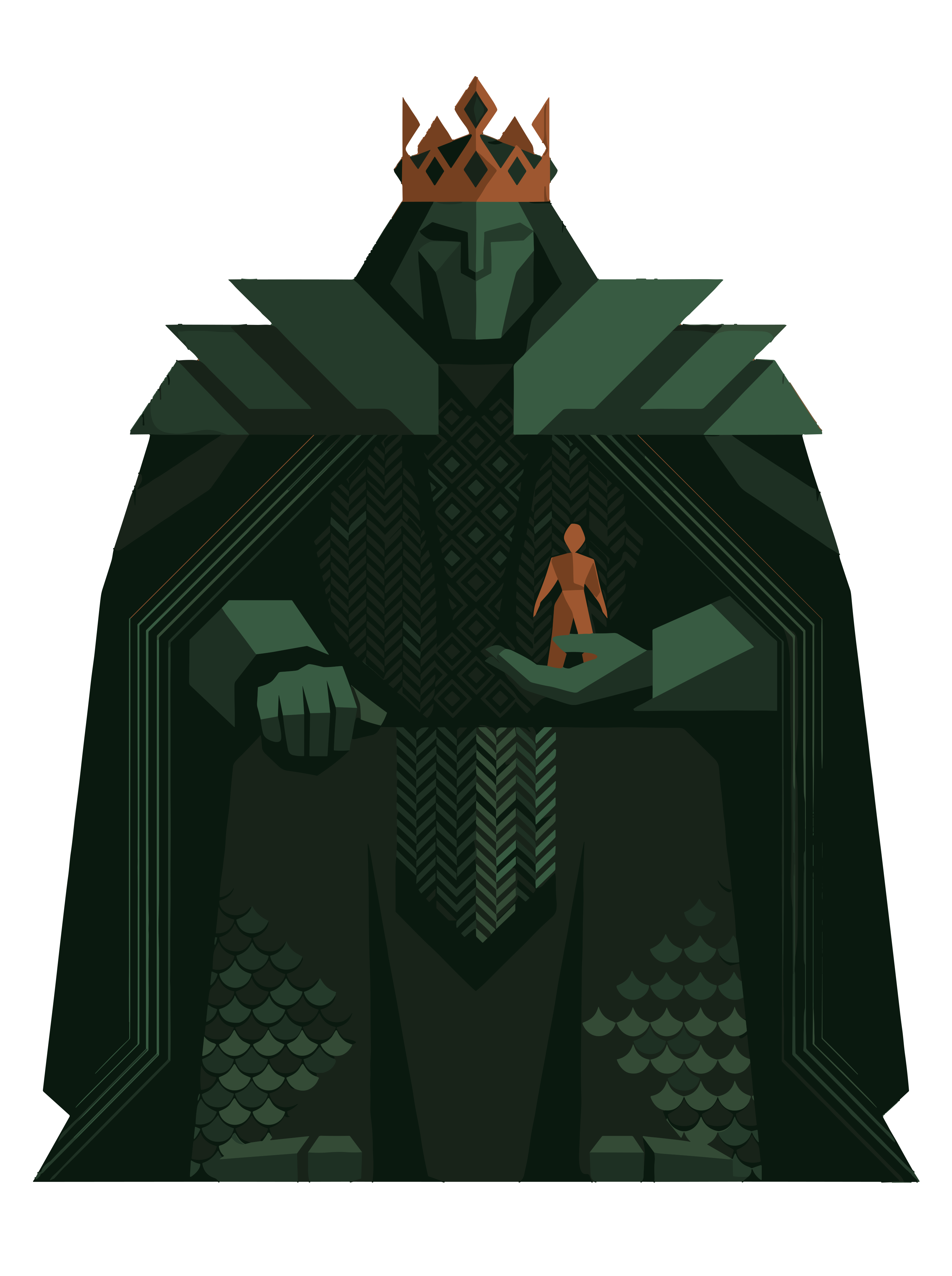
Our quiz maps you to one of ten archetypes. Here's where these roles sit in that system.

Not sure which one fits? The quiz takes seven minutes and tells you.
Discover your archetype →Other pairings.
A reading will tell you.
Twenty-four scenarios, seven minutes, one long letter to yourself. Anonymous. Free.
Begin the reading →A reading will tell you.
Twenty-four scenarios, seven minutes, one long letter to yourself. Anonymous. Free.