Dom vs
Sub
Complementary positions in a dynamic — not opposite measures of strength.
“The one steering direction, pressure, and pace inside an agreed dynamic.”
A Dom usually refers to the person holding negotiated authority in a scene or dynamic. The role centers on leadership, attunement, responsibility, and the ability to guide power in a way that remains consensual and readable to everyone involved.
- Authority-bearing role
- Leads or directs within negotiated limits
- Responsibility for pacing and care
- Can be casual, structured, or long-term
“The one choosing to yield, respond, and stay in relationship with that power.”
A Sub usually refers to the person who consensually yields authority within a scene or dynamic. The role is not passive by definition; it often involves active communication, self-knowledge, boundaries, and a deliberate choice about how surrender is expressed.
- Receiving role within a power dynamic
- Chooses submission rather than losing personhood
- Requires communication and agency
- Can be playful, service-oriented, occasional, or deeply relational
“The one steering direction, pressure, and pace inside an agreed dynamic.”
A Dom usually refers to the person holding negotiated authority in a scene or dynamic. The role centers on leadership, attunement, responsibility, and the ability to guide power in a way that remains consensual and readable to everyone involved.
- Authority-bearing role
- Leads or directs within negotiated limits
- Responsibility for pacing and care
- Can be casual, structured, or long-term
“The one choosing to yield, respond, and stay in relationship with that power.”
A Sub usually refers to the person who consensually yields authority within a scene or dynamic. The role is not passive by definition; it often involves active communication, self-knowledge, boundaries, and a deliberate choice about how surrender is expressed.
- Receiving role within a power dynamic
- Chooses submission rather than losing personhood
- Requires communication and agency
- Can be playful, service-oriented, occasional, or deeply relational
Six dimensions, side by side.
The same frame, two ways in.
At first glance, the roles seem neatly divided. One directs. One yields. But in lived dynamics, both roles depend on many of the same capacities. A good Dom and a good Sub both need self-knowledge, communication, emotional steadiness, and the ability to notice when reality is drifting away from what was agreed.
That is why the most useful way to think about the pair is not dominance versus weakness. It is authority versus offering, or leadership versus surrender, inside a shared frame. The frame belongs to both people. Even if the power exchange inside it is asymmetrical, the agreement creating it is mutual.
If you're not sure, that's a useful answer.
- 01Do you picture yourself holding the structure, or entering the structure someone else creates?
- 02Does responsibility for pace and safety feel energizing, or does intentional surrender feel more alive?
- 03Are you most turned on by guiding another person’s experience, or by giving someone trusted access to yours?
If you're not sure, that's a useful answer.
Neither word is a medal — both describe real, workable shapes. The question isn’t which one is truer about you, but which one describes the kind of relational work that feels natural when things become real.
- 01Do you picture yourself holding the structure, or entering the structure someone else creates?
- 02Does responsibility for pace and safety feel energizing, or does intentional surrender feel more alive?
- 03Are you most turned on by guiding another person’s experience, or by giving someone trusted access to yours?
Same terrain, our language.
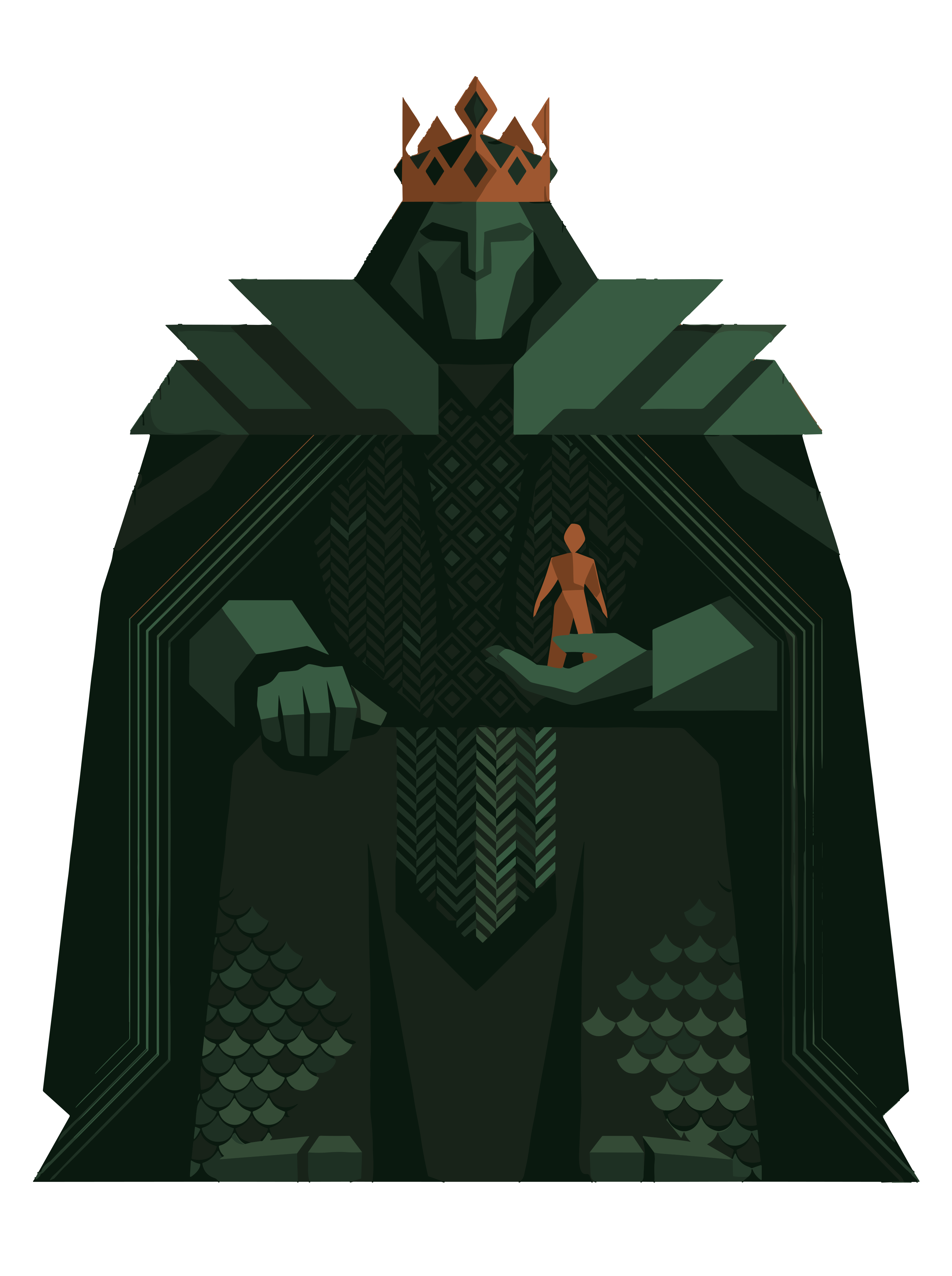
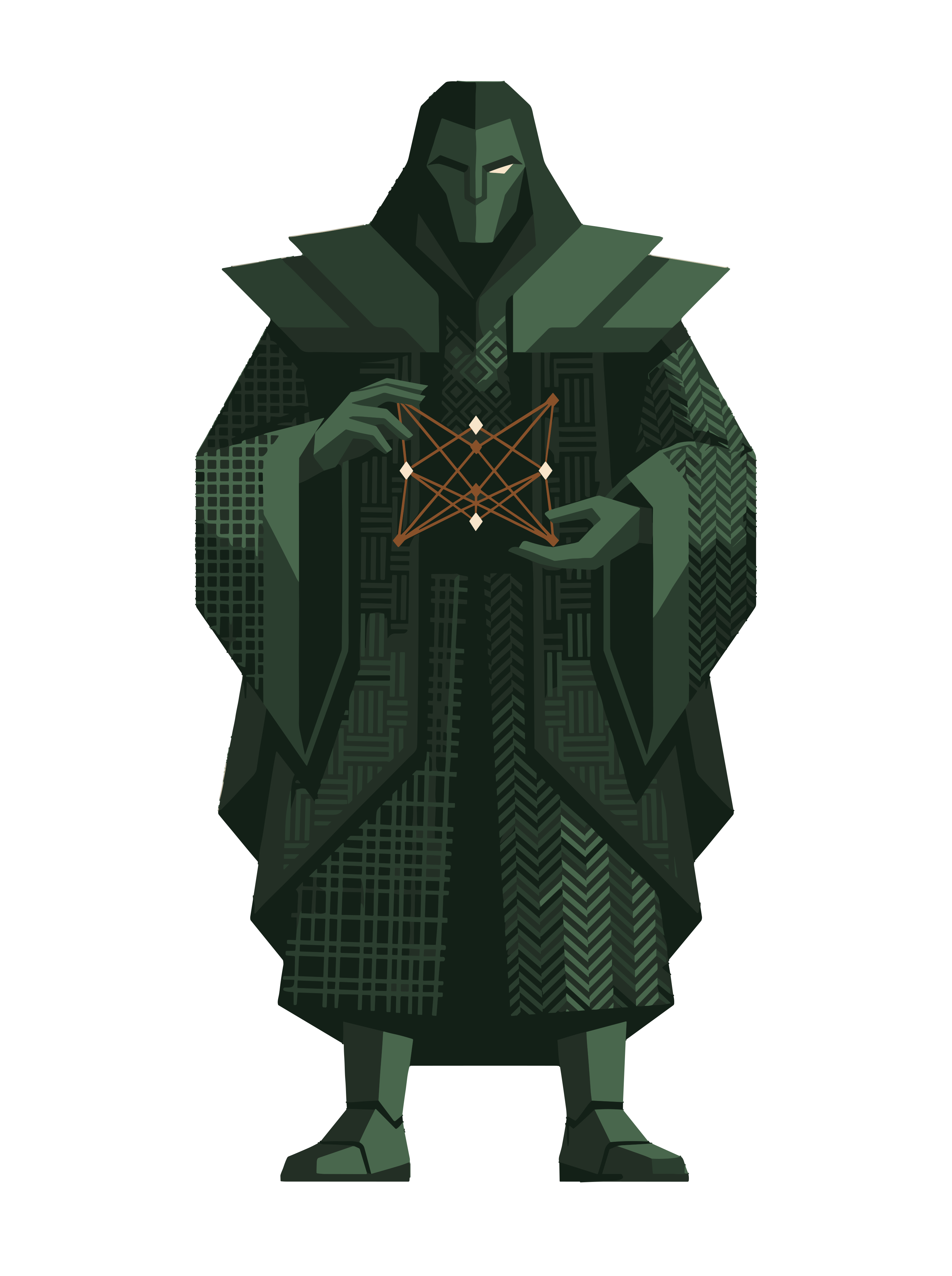
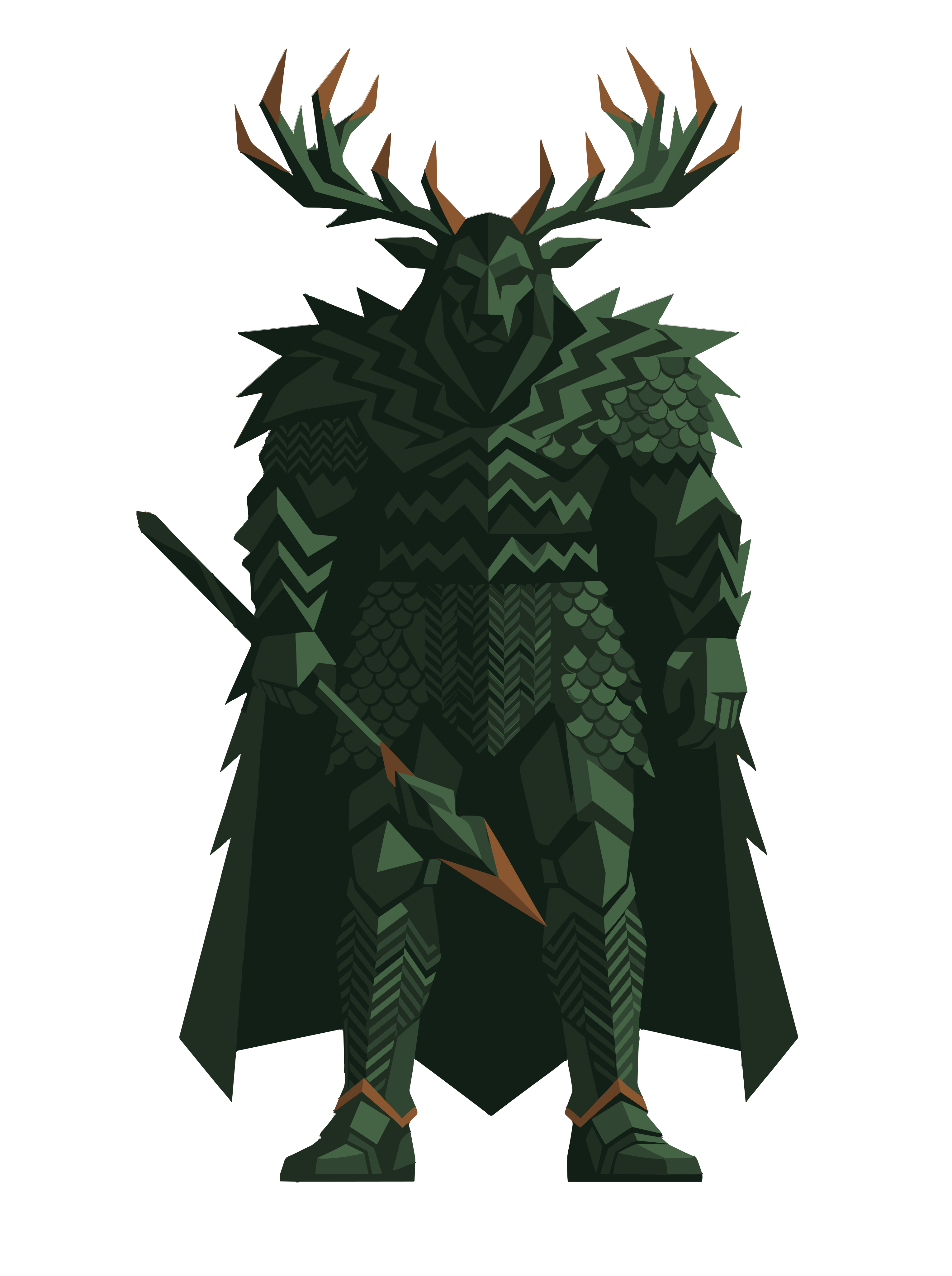
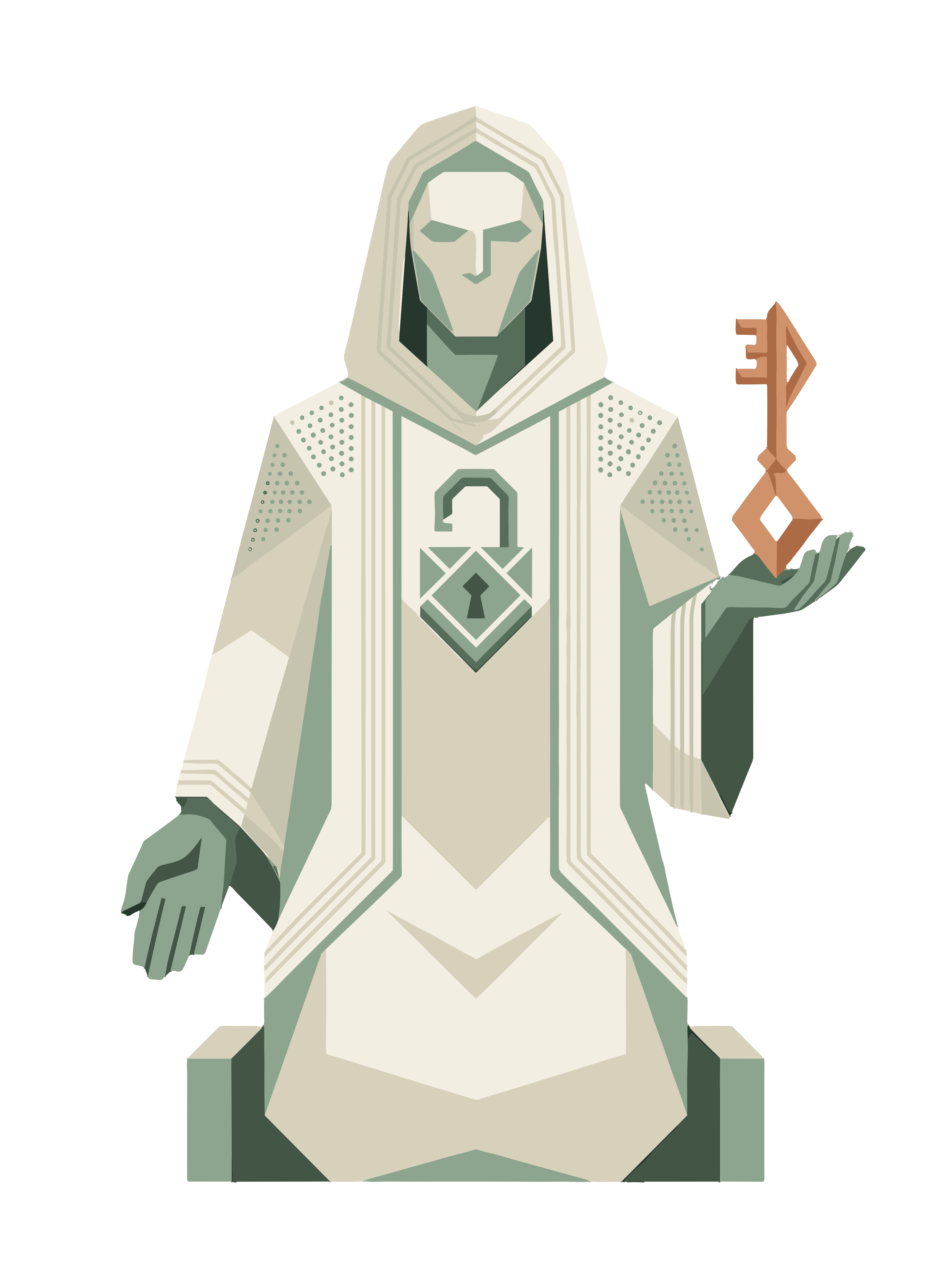
Our quiz maps you to one of ten archetypes. Here's where these roles sit in that system.



Not sure which one fits? The quiz takes seven minutes and tells you.
Discover your archetype →Other pairings.
A reading will tell you.
Twenty-four scenarios, seven minutes, one long letter to yourself. Anonymous. Free.
Begin the reading →A reading will tell you.
Twenty-four scenarios, seven minutes, one long letter to yourself. Anonymous. Free.